

One coaching vision.
Every school.
Bring observations, feedback, and follow-through into a shared approach—so every educator gets purposeful support and district leaders can see where to help next.

Keep coaching connected from district priorities to classroom practice.
Your coaching priorities are shared.
The support teachers receive can vary.
Across schools, leaders may use different observation forms, give feedback at different intervals, and track next steps in different places. That makes it difficult to know whether every teacher is getting timely, useful support aligned with district goals.
The same teaching practice gets different feedback.
When schools use different criteria or interpret them differently, teachers can receive mixed messages about what to improve.
What teams need: Shared observation criteria and time to calibrate feedback.
Feedback is given. The next step gets lost.
Notes in email, documents, and notebooks make it harder for coaches and teachers to revisit agreed actions at the next check-in.
What teams need: A clear record of feedback, action steps, and follow-up.
Leaders cannot easily see who needs attention.
Without a shared view of coaching activity, district leaders have to ask each campus who has received support and who is still waiting.
What teams need: Visibility into recent coaching touchpoints across schools.
The goal: Consistent expectations and dependable follow-through, with support tailored to each educator.
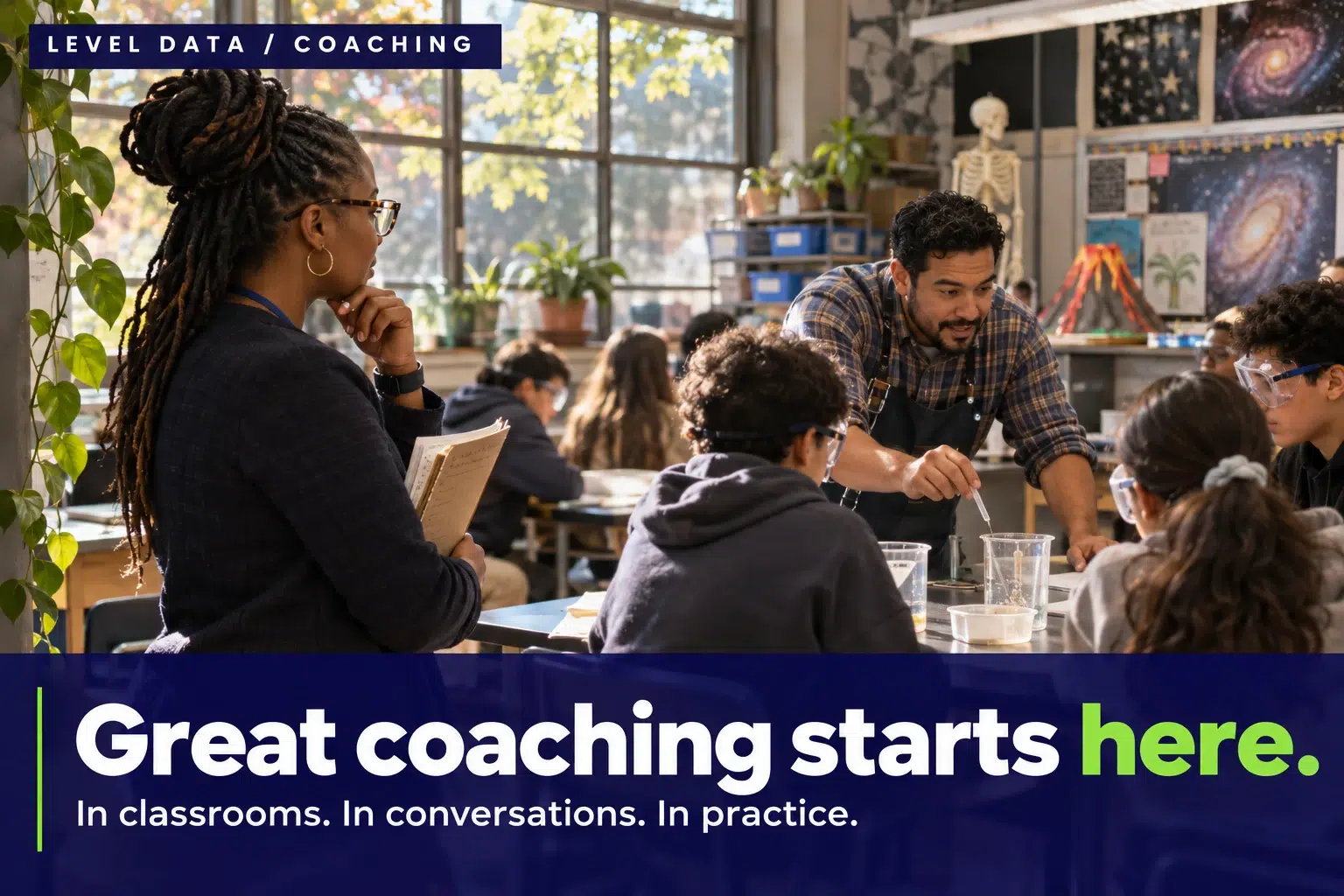
Make coaching consistent.
Keep growth personal.
Connect a shared framework with the everyday work of supporting educators.
Put your coaching framework into practice.
Use configurable forms and rubrics to reflect the instructional priorities your district has agreed on.
- Give observers a consistent structure
- Align feedback with shared criteria
- Keep individual teacher needs in focus
Give every observation somewhere to go.
Connect walkthrough notes, feedback, and action steps so teachers and coaches can return to the work together.
- Capture quick feedback after a visit
- Set a specific next step
- Use the next conversation to review progress
Look across schools without losing the individual.
Review coaching activity and interaction history to identify gaps and guide conversations with school leaders.
- See when educators last received support
- Review activity across campuses
- Focus leadership follow-up where it matters
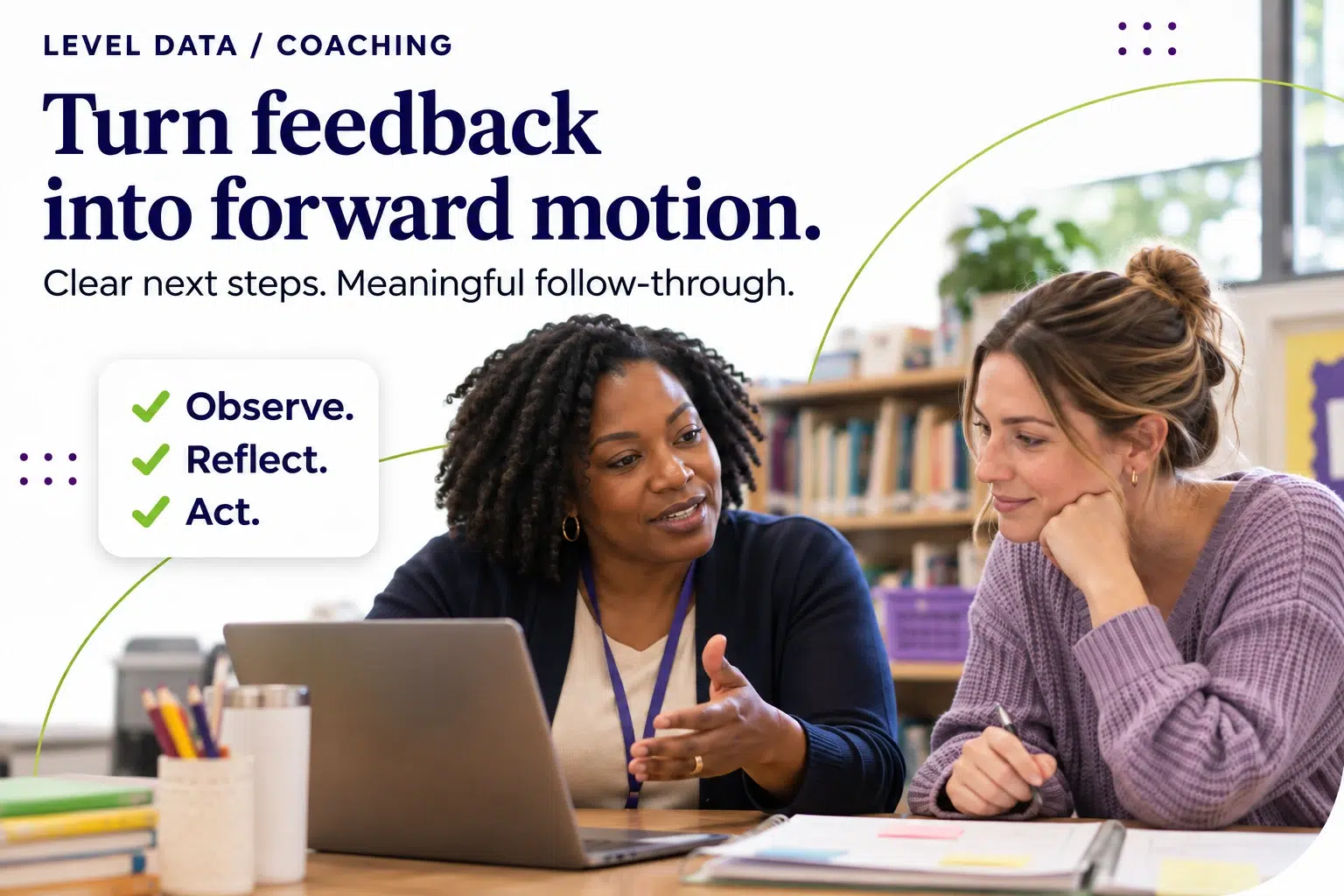
The visit is a starting point.
Growth happens in the follow-through.
An observation captures a moment. A useful coaching cycle connects that moment to a clear focus, a practical action, and a conversation about what changed.
Bring that continuity across schools while giving coaches room to respond to each educator’s experience and goals.
What will move practice forward?
Give every role
a clearer path to growth.
District leaders
Bring school-level coaching patterns into conversations about priorities and support.
Principals & school leaders
Keep observation evidence and follow-up connected for the educators you support.
Instructional coaches
Spend less effort piecing together records and more time preparing useful feedback.
Teachers
Return to a clear record of feedback, goals, and next steps between coaching conversations.
The structure to stay aligned.
The flexibility to support growth.
Your rubrics. Your language.
Build observation forms around your district’s coaching model.
Keep feedback timely.
Capture brief walkthrough notes without a full observation form.
Make the next move clear.
Link specific next steps to coaching feedback.
See who needs support.
Review last interactions and time since each touchpoint.
Keep the history connected.
Review observations, meetings, feedback, and goals over time.
Look across the district.
Review coaching activity and trends to inform leadership discussions.
A more consistent approach
across campuses.
Midland Independent School District
Midland ISD moved from varied coaching documentation practices to Grow to support a more uniform district approach.
District talent specialists use coaching timelines and feedback records to help develop coaches as well as teachers.
“At a glance, we can see when someone last received feedback, which is huge.”Chelsea Reyes
Director of Talent Development · Midland ISD
Aligned coaching,
supported by Grow.
Give teams a shared place for coaching while keeping your district’s framework, culture, and educator needs at the center.
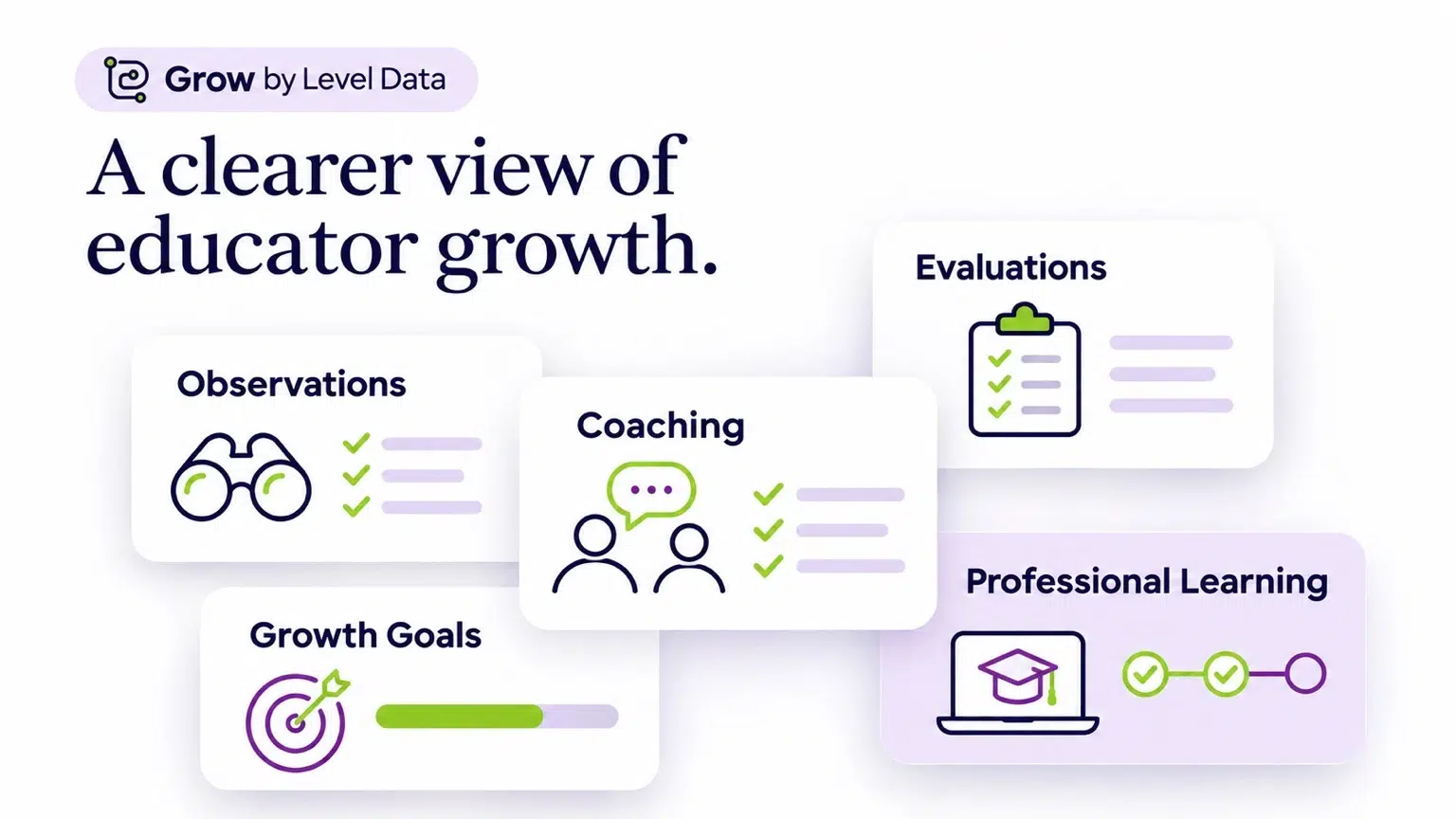
Grow by Level Data
Bring observations, feedback, meetings, and educator growth into one coaching platform.
- Configurable observation forms and rubrics
- Quick Feedback and actionable next steps
- Touchpoint Dashboard and coaching history
- Reports to guide school and district conversations
Go deeper where
your team needs it.
Alignment at Every Level
Explore how district and school leaders build a shared approach.
Grow Educator Supports
Explore coaching and professional development alongside student outcomes.
Take a Grow Tour
Get a closer look at the tools behind the coaching workflow.
A shared approach
to supporting educators.
What does aligning coaching across schools mean?
It means setting shared expectations for observations, feedback, and follow-up while adapting support to individual educators. The goal is a consistent coaching practice across campuses.
Can we use our own coaching framework?
Yes. Grow supports configurable forms and rubrics, so your team can reflect its own coaching model and instructional priorities.
How can leaders see who needs support?
The Touchpoint Dashboard shows educators’ recent interactions and the time since those touchpoints. Leaders can use that information to guide follow-up with school teams.
Does every school need identical coaching conversations?
No. Shared criteria create a common starting point. Coaches still use evidence, educator goals, and school context to decide what support is appropriate.
Can we connect coaching with student outcomes?
Grow’s Educator Supports Module brings coaching and professional development activity together with student outcomes. Available analysis depends on your district’s data; patterns should be interpreted in context.
Where should our district start?
Choose one instructional priority, agree on a small set of coaching routines, and identify the evidence leaders will review. Bring your current framework and workflow to a Grow demo.
Make every coaching conversation
part of something bigger.
See how Grow can help connect your district’s priorities with educator support across schools.
Continue to Level Data’s demo request form.