Skip to content

This is an example of Headline 1

This is an example of Headline 2

This is an example of Headline 3

This is an example of Headline 4

This is an example of Headline 5
This is an example of Headline 6

Blockquote dolor sit amet, consetetur sadipscing elitr, sed diam nonumy eirmod tempor invidunt ut labore et dolore magna aliquyam erat, sed diam voluptua. At vero eos et accusam et justo duo dolores et ea rebum. Stet clita kasd gubergren, no sea takimata sanctus est Lorem ipsum dolor sit amet.

Lorem ipsum dolor sit amet, consetetur sadipscing elitr, sed bold nonumy eirmod italic invidunt ut labore et dolore magna aliquyam erat, sed diam voluptua. At vero eos et accusam et justo duo dolores et ea rebum. Stet clita kasd gubergren, no sea takimata sanctus est Lorem ipsum dolor sit amet. Lorem ipsum dolor sit amet, consetetur sadipscing elitr, sed diam nonumy eirmod tempor invidunt ut labore et dolore magna aliquyam erat, sed diam voluptua. At vero eos et accusam et justo duo dolores et ea rebum. Stet clita kasd gubergren, no sea takimata sanctus est Lorem ipsum dolor sit amet.

Tab Content Header

Lorem ipsum dolor sit amet, consectetur adipiscing elit, sed do eiusmod tempor incididunt ut labore et dolore magna aliqua. Ut enim ad minim veniam, quis nostrud exercitation.


Lorem ipsum dolor sit amet

Lorem ipsum dolor sit amet, consectetur adipiscing elit, sed do eiusmod tempor incididunt ut labore et dolore magna aliqua. Ut enim ad minim veniam, quis nostrud exercitation ullamco laboris nisi ut aliquip ex ea commodo consequat.

Button Text

Lorem ipsum dolor sit amet

Lorem ipsum dolor sit amet

Lorem ipsum dolor sit amet, consectetur adipiscing elit, sed do eiusmod tempor incididunt ut labore et dolore magna aliqua. Ut enim ad minim veniam, quis nostrud exercitation ullamco laboris nisi ut aliquip ex ea commodo consequat.

Button Text

Lorem ipsum dolor sit amet

Lorem ipsum dolor sit amet, consectetur adipiscing elit, sed do eiusmod tempor incididunt ut labore et dolore magna aliqua. Ut enim ad minim veniam, quis nostrud exercitation ullamco laboris nisi ut aliquip ex ea commodo consequat.

Button Text

Lorem ipsum dolor sit amet

Lorem ipsum dolor sit amet, consectetur adipiscing elit, sed do eiusmod tempor incididunt ut labore et dolore magna aliqua. Ut enim ad minim veniam, quis nostrud exercitation ullamco laboris nisi ut aliquip ex ea commodo consequat.

Button Text

Tab Content Header

Lorem ipsum dolor sit amet, consectetur adipiscing elit, sed do eiusmod tempor incididunt ut labore et dolore magna aliqua. Ut enim ad minim veniam, quis nostrud exercitation.

Monitor ADA, ADM, and Chronic Absenteeism All Year Long

Identify students early who are approaching the critical 90% attendance threshold so that you can create targeted interventions to improve attendance across the district.

Monitor ADA, ADM, and Chronic Absenteeism All Year Long

Identify students early who are approaching the critical 90% attendance threshold so that you can create targeted interventions to improve attendance across the district.

Identify students early who are approaching the critical 90% attendance threshold so that you can create targeted interventions to improve attendance across the district.

Automate Food Service Updates

Ensure student records in your SIS automatically sync to your food service provider and receive back lunch eligibility status and balances.

Person Testimonials

Brolly has been instrumental in ensuring that our students receive the services they need. The platform and its team have transformed how we track and report on IEP services, building capacity and confidence among our staff.

Dr. Paul McDonald
Special Education Consultant
Mineral County School District
Carol Winget

Before using Validation, we had to manually filter through data column by column to identify issues. This was a very time-consuming process, often taking hours. With Validation, I can now access the necessary information in just a few minutes, allowing me to stay on top of data issues more frequently and reduce the overall number of errors by more than 70%.

Carol Winget
Student Database Administrator
Peninsula School District

ROI helps us see at a macro and micro level which academic investments have the biggest impact on learning, so we can do more of what works and less of what doesn’t.

Corey Uselton
Superintendent
Desoto County Schools

Institutional Testimonials

Anderson School District logo

We chose Level Data to measure ROI for our Title I program to provide a clear, actionable view of how our digital and non-digital resources impact student outcomes. From software tools to in-person tutoring, family engagement, and other support initiatives, ROI helps us assess what’s working, ensuring every Title I dollar is used as effectively as possible.
Kim Morgan
Director of State and Federal Programs
Anderson School District Five
DeKalb County School District logo

Whether in times of plenty or financial challenge, we have a responsibility to be good stewards of the community’s tax dollars. It’s essential that we make informed decisions about how we allocate those funds and ensure the community that we’re acting in the best interest of their children. ROI helps us do that.

Dr. Norman Sauce
Chief of Student Services
DeKalb County School District
Westwood ISD logo

At the forefront, student success is really important to us. Being great stewards of our taxpayer dollars is also essential. When I saw that there was an opportunity to look at multiple data points and evaluate our return on investment, I knew this tool could help us achieve our goals. It speaks directly to improving student success and ensuring we are using taxpayer dollars effectively.

Wade Stanford
Superintendent
Westwood ISD

Return on Instruction provides us with the needed data to ensure we’re providing our students with the best supports possible for their academic achievement. Plus, their customer service is exceptional.

Travis Fulton
Director of Purchasing & Contract Administration
Santa Rosa County School District

Section Title

Lorem ipsum dolor sit amet consectetur adipiscing elit. Quisque faucibus ex sapien vitae pellentesque sem placerat. In id cursus mi pretium tellus duis convallis. Tempus leo eu aenean sed diam urna tempor. Pulvinar vivamus fringilla lacus nec metus bibendum egestas. Iaculis massa nisl malesuada lacinia integer nunc posuere. Ut hendrerit semper vel class aptent taciti sociosqu. Ad litora torquent per conubia nostra inceptos himenaeos. Lorem ipsum dolor sit amet consectetur adipiscing elit.

Lorem ipsum dolor sit amet consectetur adipiscing elit.

Lorem ipsum dolor sit amet consectetur adipiscing elit. Quisque faucibus ex sapien vitae.

Lorem ipsum dolor sit amet consectetur adipiscing elit quisque.

Teacher Training

Core Curriculum

Digital Learning Platforms

Support Programs

Section Title

Lorem ipsum dolor sit amet consectetur adipiscing elit. Quisque faucibus ex sapien vitae pellentesque sem placerat. In id cursus mi pretium tellus duis convallis. Tempus leo eu aenean sed diam urna tempor. Pulvinar vivamus fringilla lacus nec metus bibendum egestas. Iaculis massa nisl malesuada lacinia integer nunc posuere. Ut hendrerit semper vel class aptent taciti sociosqu. Ad litora torquent per conubia nostra inceptos himenaeos. Lorem ipsum dolor sit amet consectetur adipiscing elit.

Frontline Staff

Catch errors in real time to make data entry easier, more accurate, and less frustrating.

Technology Directors

Reduce manual workload and maintain consistent, accurate data across all schools through automated validation.

Superintendents

Ensure compliance and maximize funding by identifying and resolving data issues before they affect reporting.

Parents & Caregivers

Build trust with families by sharing clear, up-to-date reports that show specifics about their student’s service delivery and progress towards their goals.


Frontline Staff

Catch errors in real time to make data entry easier, more accurate, and less frustrating.

Technology Directors

Reduce manual workload and maintain consistent, accurate data across all schools through automated validation.

Parents & Caregivers

Build trust with families by sharing clear, up-to-date reports that show specifics about their student’s service delivery and progress towards their goals.

Section Title (Cards)

Real-Time Data vs. Static Reports: What District Leaders Actually Need

It's Tuesday morning, and a principal is preparing for a student support meeting. They need to review attendance patterns, identify students with recent absences, and determine where additional outreach may be needed. The latest report was generated last Friday.  The principal could request an updated report, but that means waiting for someone to pull the information. Meanwhile, attendance records have changed, and the meeting is approaching.  Situations like this highlight a common challenge in K–12 data reporting. District leaders regularly make decisions based on student information, but the reports available to them don't always reflect the most recent records.  Both real-time data reporting and traditional static reports have a place in school district operations. Understanding when to use each can help administrators access the information they need without adding unnecessary steps to their workday.  Real-Time Data vs. Static Reports: What's the Difference?  A static report captures information at a specific point in time. Once generated, the report generally remains unchanged unless someone refreshes or recreates it.  Districts use static reports for scheduled reviews, historical comparisons, board presentations, and documentation that requires a consistent reporting period.  Real-time data reporting provides access to more current information as records are updated in the underlying system. Rather than waiting for a scheduled report, authorized users can review available information, apply filters, and investigate specific records.  The difference comes down to how information is accessed and updated.  Static Reports  Real-Time Reports  Capture data at a specific point in time  Reflect more current available data  Often require regeneration to show changes  Can update as source records change  Useful for historical comparisons and scheduled reporting  Useful for monitoring current conditions  Typically present predefined information  May offer interactive filters and drill-down capabilities  Provide consistent reporting snapshots  Help staff investigate information as needs arise  Real-time reporting doesn't necessarily mean every record updates instantaneously. Data freshness depends on the source system, how information is entered, and the reporting tool's refresh process.  For district leaders, the practical advantage is having access to timely information when a decision requires it.  When Static Reports Still Serve Districts Well  Static reports remain essential to many administrative processes.  School boards often need enrollment summaries, academic performance reports, and financial information covering established reporting periods. Historical snapshots allow administrators to compare results over time without the underlying figures changing during a review.  Static reports are also useful for formal documentation, scheduled compliance activities, and situations where information needs to be preserved as it existed on a particular date.  For example, a district reviewing attendance trends over the previous three school years needs consistent historical information. A fixed reporting period makes those comparisons more meaningful.  The limitation comes when administrators rely on older snapshots to make decisions about current conditions.  A report generated last week may be perfectly appropriate for a historical review but less useful when a principal needs to understand today's attendance records.  Districts benefit from having both reporting approaches available, with each serving a different purpose.  Four District Decisions That Benefit from Timely Student Data  The value of real-time student data becomes clearer when considering how administrators use information throughout the school day.  1. Identifying Attendance Patterns Before They Become More Difficult to Address Attendance teams need to recognize patterns of missed school days, repeated absences, and students approaching district-defined attendance thresholds.  When information is available only through periodically generated reports, staff may have to wait for updated records before reviewing recent changes.  Timely attendance reporting allows authorized users to examine current records, filter information by school or student, and identify patterns that may warrant follow-up.  A principal might review students with increasing absences before meeting with counselors or attendance personnel. District administrators can also examine attendance information across schools to determine where additional support may be needed.  These insights support earlier conversations and more informed outreach decisions.  2. Reviewing Enrollment Information for Operational Planning Enrollment affects staffing discussions, classroom planning, resource allocation, and other district operations.  Although major budget and staffing decisions often rely on established reporting periods, administrators also need visibility into enrollment changes throughout the year.  Timely school district reporting can help leaders review current enrollment records, examine changes across grade levels, and investigate differences between schools.  For example, a district administrator preparing for a planning meeting may need to understand how current enrollment compares with earlier figures.  Access to updated information makes those conversations more productive and reduces dependence on requesting another report.  3. Examining Behavior and Discipline Trends Behavior and discipline information helps school leaders identify recurring concerns and determine where additional attention may be appropriate.  A principal reviewing discipline records may want to examine incidents by date, grade level, or other available categories. District administrators may need a broader view of patterns across schools.  Interactive reporting can make it easier to explore those records without repeatedly requesting separate summaries.  The information may help leaders identify trends worth investigating, evaluate existing support practices, or prepare for discussions with student services teams.  Reporting alone cannot explain why incidents occur, but timely access gives educators a stronger starting point for those conversations.  4. Supporting Academic Performance Reviews Teachers and instructional leaders regularly examine grades and other available academic information to understand student performance.  Static reports can provide valuable end-of-term summaries. However, administrators may also need to review more recent grade information when preparing for instructional meetings or student support discussions.  Access to current records can help teams identify students whose performance warrants closer review and examine available information across classes or grade levels.  For curriculum and instructional leaders, timely reporting supports conversations grounded in the information currently available.  It also helps reduce the time spent gathering separate reports before those discussions can begin.  What District Leaders Should Expect from Their Reporting Tools  The usefulness of a reporting platform depends on more than how frequently information updates.  District leaders need tools that make relevant information accessible, understandable, and practical for everyday decisions.  Easy access to current information. Authorized users should be able to retrieve relevant records without depending on another department…

Read More

MTSS Framework: How to Improve Alignment Across Tiers

Your district may have a well-established Multi-Tiered System of Supports (MTSS), with intervention teams, assessment schedules, instructional resources, and processes for identifying students who need additional help. But how well do those pieces work together?  Consider what happens when a student begins receiving targeted reading interventions. Their classroom teacher monitors daily performance, an intervention specialist tracks small-group instruction, and a school psychologist reviews assessment results. Each person has useful information, but that information may live in different systems or follow different documentation practices.  When the team meets to review the student's progress, how easily can everyone see which interventions were delivered, how consistently the student received support, and whether their skills are improving?  That's where many districts encounter challenges with MTSS alignment.  A strong MTSS framework depends on coordinated instruction, consistent progress monitoring, and access to reliable student data. When these elements work together, educators have a clearer understanding of student needs and can make more informed decisions about the support they provide.  Understanding the Three MTSS Tiers  A Multi-Tiered System of Supports organizes academic, behavioral, and social-emotional support around student needs. Most frameworks include three tiers, with the intensity of intervention increasing as students require additional assistance.  Tier 1: Universal Core Instruction  Tier 1 includes evidence-based core instruction and schoolwide supports available to all students. Teachers use universal screening, classroom assessments, and other information to understand how students are performing and identify potential learning challenges.  Strong Tier 1 practices establish a foundation for the additional interventions students may need. Districts also need consistent assessment practices to evaluate the effectiveness of core instruction across classrooms and schools.  Tier 2: Targeted Interventions  Tier 2 provides additional instruction for students who need support beyond what they're receiving through Tier 1.  These interventions typically address specific skill gaps through targeted instruction, often in small groups. Educators monitor progress more frequently to determine whether students are responding.  For example, a student struggling with reading fluency may receive additional instruction focused on decoding or automatic word recognition, depending on the skills identified through assessment.  The intervention should build on the student's core instruction while addressing their individual learning needs.  Tier 3: Intensive, Individualized Support  Tier 3 involves more intensive, individualized interventions for students with significant or persistent needs.  Support may include smaller instructional groups, increased frequency, individualized intervention plans, and closer progress monitoring.  Students receiving Tier 3 interventions may also receive special education services, but Tier 3 placement does not automatically establish eligibility for special education. Evaluation and eligibility decisions follow separate requirements.  Across all three MTSS tiers, educators need dependable information to evaluate student progress and determine whether instructional support should continue, change, or intensify.  Where MTSS Alignment Starts to Break Down  Even districts with established intervention processes can struggle to maintain consistency across classrooms, departments, and campuses.  One school may document interventions through a shared spreadsheet. Another may use a separate instructional platform. Teachers may record progress weekly, while intervention specialists follow a different schedule.  These differences can make it difficult for district leaders to evaluate how consistently their MTSS framework is being implemented.  Common challenges include:  Fragmented student data: Assessment results, intervention records, and progress-monitoring information are stored across multiple systems.  Inconsistent intervention tracking: Schools document instructional support differently, making districtwide comparisons difficult.  Limited visibility into student progress: Teams may struggle to connect intervention delivery with changes in student performance.  Delayed instructional decisions: Educators spend additional time locating and reconciling information before reviewing student needs.  Unclear transitions between tiers: Teams may lack consistent criteria for increasing, maintaining, or reducing intervention intensity.  These challenges can persist even when districts have invested in strong instructional programs and professional development.  Improving MTSS implementation requires attention to how educators document support, share information, evaluate progress, and make decisions together.  Five Ways Districts Can Improve MTSS Alignment  District leaders can strengthen their existing frameworks by examining where instructional practices, intervention processes, and student information become disconnected. Establish Consistent Instructional Goals Across Tiers Students receiving Tier 2 or Tier 3 interventions continue to participate in core instruction as appropriate to their needs. Additional interventions should address identified skill gaps while supporting broader instructional objectives.  For example, if classroom assessments identify difficulties with foundational reading skills, intervention teams should understand which skills require additional attention and how those needs relate to classroom instruction.  Districts can improve instructional alignment by establishing shared expectations for selecting interventions, identifying measurable goals, and evaluating student responses.  This also gives teachers and intervention specialists a common foundation for discussing student performance. Improve Access to Connected Student Data In some districts, reviewing a student's progress requires accessing multiple systems, requesting records from different staff members, and comparing information collected at different times.  Those extra steps can slow down decisions and create opportunities for inconsistent interpretation.  Better student data visibility helps educators review relevant information together, including assessment performance, documented interventions, and progress toward established goals.  District teams should be able to answer several practical questions:  Which students are receiving additional interventions?  What skills or needs are being addressed?  How frequently is support being delivered?  What do progress-monitoring results indicate?  When should the team reconsider the current intervention?  Access to accurate, connected information supports more consistent data-driven decision-making across instructional teams. Standardize Intervention Tracking Across Schools Imagine two schools delivering the same reading intervention. One documents the targeted skill, instructional frequency, session duration, and student response. The other records only that the student attended intervention sessions.  Both schools are providing support, but the information available to evaluate that support differs considerably.  Districtwide intervention tracking expectations can help address these inconsistencies.  Schools should establish common documentation practices that identify the intervention provided, the skills being targeted, the frequency and duration of support, and the measures used to evaluate student progress.  Consistency also supports continuity when students change teachers, grade levels, or schools.  For district administrators, standardized documentation makes it easier to evaluate implementation practices and identify where teams may need additional guidance or resources. Use Progress Monitoring to Guide Instructional Decisions Universal screening helps identify students…

Read More

Beyond the SIS: Why K–12 Districts Need Data Validation Across Every System

Your student information system may have validation rules in place, but what about the data sitting in your district's other applications?  Nutrition systems, operational platforms, reporting tools, and existing datasets all contain information district teams rely on. When records are incomplete, inconsistent, or inaccurate, those problems can create additional work for staff and complicate reporting.  Validating data at the point of entry is an important safeguard. But districts also need ways to identify errors in information that's already been collected, including data managed outside the SIS.  That's where a broader approach to K–12 data validation comes in. With Level Data's expanded Validation capabilities, districts can address data quality concerns beyond traditional SIS workflows and build greater confidence in the information they use every day.  Why Data Quality Challenges Extend Beyond the SIS  School districts manage information across an expanding collection of applications. Student enrollment and demographic records may originate in the SIS, while nutrition, transportation, financial, and other operational systems maintain information needed for their respective functions.  Some of these applications exchange information regularly. Others maintain separate datasets that staff must review, update, or reconcile.  This creates several opportunities for data quality issues to develop.  A record may be accurate in one system but outdated in another. Required information may be missing from an existing dataset. Inconsistencies may remain undetected until staff begin preparing reports or comparing information across applications.  For district technology and data teams, these problems can lead to:  Additional correction work: Staff must locate inaccurate records, investigate discrepancies, and determine which information needs updating.  Reporting complications: Missing or inconsistent data can delay preparation for state reporting and other administrative requirements.  Inconsistent information across systems: Differences between applications can create confusion and require manual reconciliation.  Reduced confidence in district data: Administrators may need additional verification before relying on information for operational decisions.  Traditional SIS data validation helps address errors within the student information system. However, districts also need to consider the accuracy of information stored and maintained elsewhere.  Why SIS Data Validation Alone Isn't Enough  Many districts already use validation rules to catch errors during data entry. These checks can help staff identify missing information, incorrect formats, and records that don't meet established requirements.  But point-of-entry validation has limitations.  Existing datasets may contain errors that were introduced before current validation rules were implemented. Information imported from another application may require additional review. Large collections of records may also contain recurring inconsistencies that aren't easily identified through individual record checks.  Addressing these issues requires a broader data quality management strategy.  Districts benefit from three complementary approaches: validating information as it's entered, reviewing existing datasets for errors, and supporting reliable information exchange between applications.  Level Data addresses these needs through our Validation capabilities and complementary data integration solutions.  How Level Data Supports More Comprehensive Data Validation  Level Data helps K–12 districts identify data errors earlier, improve the reliability of existing information, and reduce the manual work associated with maintaining accurate records.  Its Validation capabilities support different stages of the data lifecycle, from information entered into supported systems to datasets that already contain district records.  Real-Time Validation Helps Catch Errors During Data Entry Correcting inaccurate information is generally easier when an issue is identified close to the point of entry.  Level Data's Real-Time Validation uses an overlay within supported systems to help staff identify potential errors while entering or updating information.  General and state-specific validation rules provide guidance about information that may need attention, helping users correct issues before they create additional work.  For district teams, this supports more consistent data entry practices and can reduce the number of avoidable errors that require correction later.  Real-Time Validation is particularly valuable when multiple staff members contribute information to the same system. Consistent checks help establish common expectations for data accuracy without requiring every employee to independently interpret complex validation requirements.  Portal Validation Helps Identify Errors in Existing Datasets Not every data quality issue begins with a new entry. Districts also need to evaluate information that's already stored in their systems.  Level Data Portal Validation (LDP Validation) extends validation beyond traditional point-of-entry workflows by helping districts identify errors and inconsistencies within existing datasets.  Using applicable validation rules, Portal Validation supports a more systematic approach to reviewing larger collections of information.  This is especially relevant when districts need to evaluate records that have accumulated over time or identify recurring problems that may be difficult to locate through manual review.  For example, a data team preparing for a reporting cycle may need to examine an existing dataset for incomplete records or inconsistencies. Rather than relying entirely on individual record checks, broader validation can help identify information requiring further attention.  Portal Validation can support district teams by helping them:  Identify potential errors within existing datasets.  Find recurring inconsistencies across larger groups of records.  Review information that may require correction before reporting.  Reduce reliance on manual record-by-record error identification.  Establish more consistent data quality review practices.  This approach gives districts another opportunity to identify problems before they interfere with reporting or other administrative processes.  Data Integrations Support More Consistent Information Exchange Validation and integration serve different purposes, but both contribute to reliable district information.  Validation helps identify errors and inconsistencies. Data integration supports the exchange of information between applications, reducing the need for staff to manually transfer or reconcile records.  Consider a district that maintains student information in its SIS and uses a separate nutrition platform. Certain information may need to move between those applications to support daily operations.  If records are incomplete or inconsistent, staff may need to investigate discrepancies before the information can be used reliably.  Level Data's Integrations solutions help districts connect systems and reduce dependence on manual data movement.  When districts combine reliable integration processes with appropriate validation practices, they can establish a stronger foundation for maintaining consistent information across their technology environment.  How Proactive Validation Improves Reporting Readiness  Data quality concerns often become more visible as reporting deadlines approach.  District teams may discover missing fields, inconsistent records, or other issues while…

Read More

Section Title (Static)

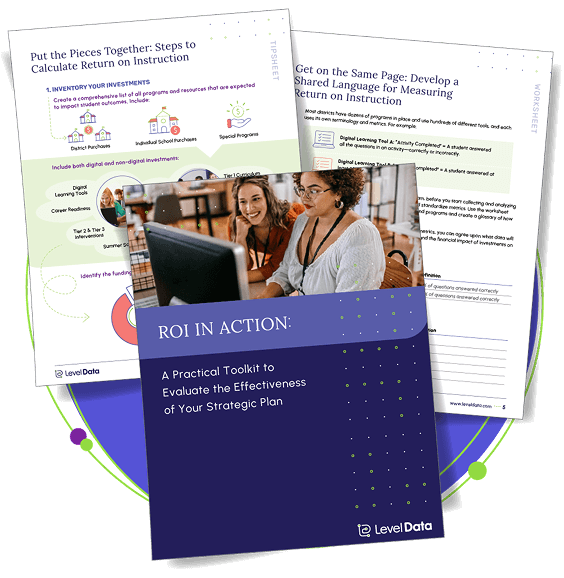
Toolkit

ROI in Action: Strategic Plan Toolkit

How do you know if the tools you’ve purchased to support your strategic plan are working? Download this free toolkit to connect your big-picture goals to measurable outcomes.

Get Toolkit

Webinar

How Lee County Transformed Their Strategic Plan into Measurable ROI

Get tips and tools to help your team identify signs that an IEP needs to be updated or improved, to create a framework for writing quality IEPs, to track student service and progress data together, and more.

Watch Now

Case Study

Darlington County School District

Read how Darlington County School District used ROI to connect spending with student outcomes and drive strategic resource decision.

Download Case Study

Section Title (Article Cards)

District staff member reviewing reports on a laptop at an office desk
Blogs

Real-Time Data vs. Static Reports: What District Leaders Actually Need

MTTS
Blogs

MTSS Framework: How to Improve Alignment Across Tiers

beyond_sis
Blogs

Beyond the SIS: Why K–12 Districts Need Data Validation Across Every System

Full Tour

Key Features

Jump straight to the Return on Instruction (ROI) features you most want to learn about.

Accessing eROI Report

Explore district resource metrics across schools and programs.

Setting Up eROI Report

Build a custom strategic plan report with key metrics and goals.

eROI Dashboard Overview

View all resource performance data in one powerful dashboard.

Filtering eROI Report

Drill down by school, grade, or vendor for detailed insights.
Lorem ipsum dolor sit amet consectetur adipiscing elit?

Lorem ipsum dolor sit amet consectetur adipiscing elit. Quisque faucibus ex sapien vitae pellentesque sem placerat. In id cursus mi pretium tellus duis convallis.

Button Text

Lorem ipsum dolor sit amet consectetur adipiscing elit?

Lorem ipsum dolor sit amet consectetur adipiscing elit. Quisque faucibus ex sapien vitae pellentesque sem placerat. In id cursus mi pretium tellus duis convallis.

Button Text

Is Your Strategic Plan Set to Deliver ROI This Year?

Make sure every investment you’ve planned for the school year drives measurable student success. Download the “ROI in Action” toolkit for help tracking your educational return on investment.

Download

Birmingham City Schools At-a-Glance

  • 19,869 Students
  • 20 PreK-5 Schools
  • 7 PreK-8 Schools
  • 8 Middle Schools
  • 7 High Schools
  • 3 Specialty Schools
  • 15.6% Students Receiving Special Education Services
  • 3.83% Students Receiving Gifted Services
  • 10% English Language Learners

K–12 ROI & Program Efficacy: FAQs

Return on Instruction (eROI) is our proprietary approach to measuring the impact of district spending. Unlike traditional financial metrics, our Return on Instruction model connects all educational investments directly to student growth and proficiency to give an accurate picture of a district’s K–12 return on investment.

Lorem ipsum dolor sit amet, consectetur adipiscing elit. Nulla eros urna, aliquet et porttitor in, congue ut risus. Nunc placerat faucibus ligula a mattis.

Blog Elements

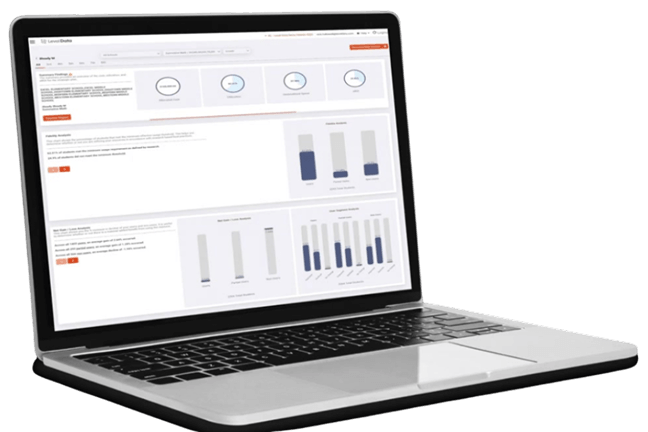
AI-Powered Insights to Move Your District Forward

Level Data’s Return on Instruction platform makes it easy for district leaders to quickly and accurately calculate the eROI of any instructional investment. And advanced insights help you act with confidence and clarity.

See How

Ditch Spreadsheets & Disconnected Systems

Grow by Level Data gives schools and districts a digital infrastructure to strengthen their unique coaching framework, saving time while supporting coaching fidelity to drive teacher growth.

Learn More
Back To Top